


The landscape of extended reality (XR) is on the cusp of a revolutionary shift, driven by innovations in wearable technology. Imagine controlling your virtual and augmented worlds with nothing more than the subtle intent of your fingers, a seamless interaction that blurs the lines between thought and action. A recent report indicates that MetanexusXR and the broader XR ecosystem are watching closely as Facebook's Smartwatch Will Eventually Include CTRL-Labs Tech for Smartglasses Control, Report Says. This development promises to redefine how we interact with digital content, moving beyond bulky controllers and voice commands to a more intuitive, neural interface.
This groundbreaking integration is not just about convenience; it's about unlocking new dimensions of immersion and accessibility within XR. By leveraging advanced electromyography (EMG) technology, future smartwatches will translate faint nerve signals from your wrist into precise commands, offering an unprecedented level of control over smartglasses and other XR devices. This strategic move by a major tech player signals a significant leap forward in making XR experiences more natural and integrated into our daily lives, paving the way for a truly ubiquitous augmented reality.
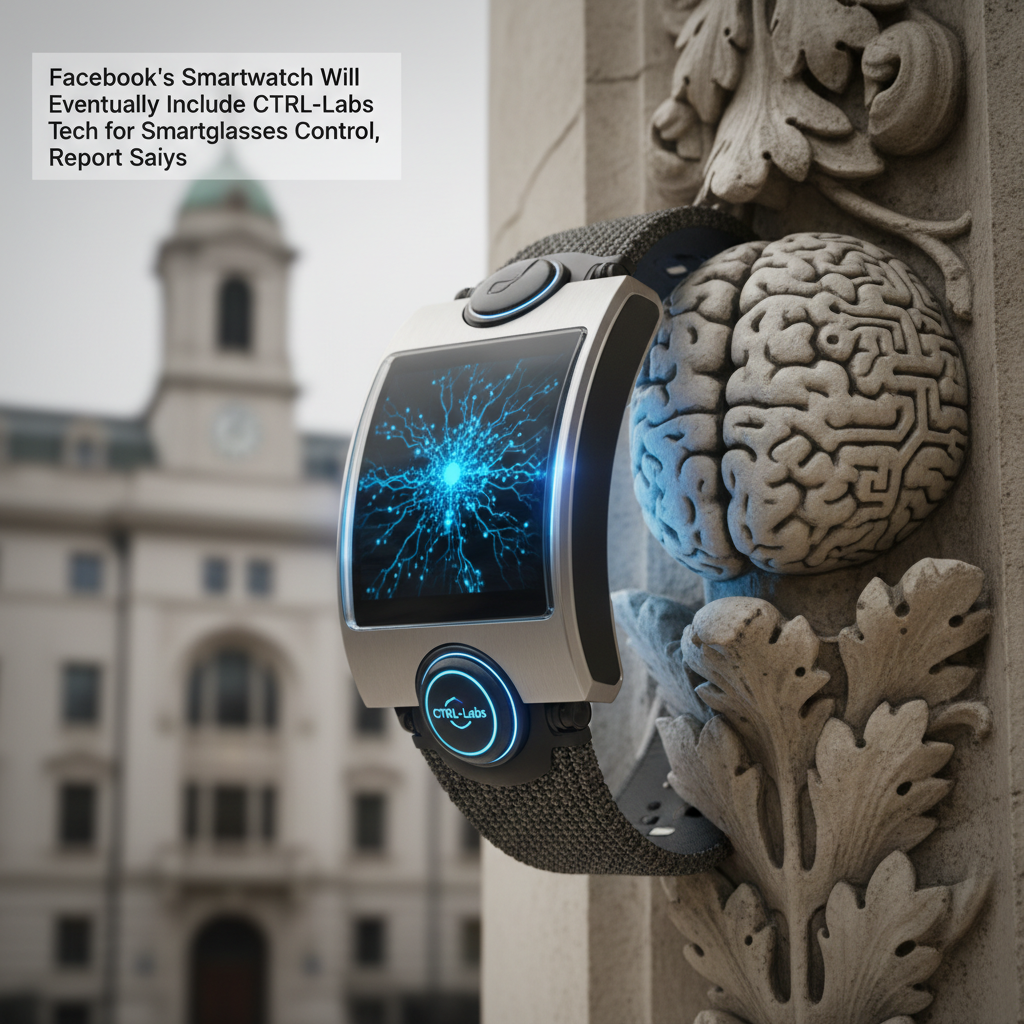
Pioneering XR Control: Facebook's Smartwatch Will Eventually Include CTRL-Labs Tech for Smartglasses Control, Report Says
Before diving into the revolutionary neural interface, it's important to understand the foundation upon which this technology is being built. The initial iteration of this smartwatch is designed to be a robust standalone device, equipped with features that go beyond typical wearables. Users can expect comprehensive fitness tracking capabilities, including an advanced heart rate monitor, making it a powerful companion for health and wellness enthusiasts. Communication is also a key focus, with two built-in cameras: one optimized for video calls directly from the wrist, and another designed for capturing photos and videos when the display is detached from its strap. This detachable display is a unique feature, allowing for flexible usage scenarios, such as quickly snapping a picture without needing to pull out a phone. Furthermore, the inclusion of LTE connectivity ensures that the smartwatch can operate independently, maintaining a constant connection to the network for calls, messages, and data, even without a paired smartphone. This robust standalone functionality sets the stage for its future role as a sophisticated XR control hub.
The true game-changer, however, lies in the eventual integration of CTRL-Labs' neural interface technology. This acquisition was a strategic move, aimed at solving one of the biggest challenges in XR: intuitive and non-intrusive input. The CTRL-Labs technology utilizes electromyography (EMG) sensors embedded in the smartwatch to detect faint electrical signals generated by motor neurons in the user's arm. These signals, even those associated with the mere *intention* to move a finger, are then translated into digital commands. This means users could potentially control smartglasses with subtle, imperceptible finger movements, or even just by thinking about moving them. This paradigm shift from physical interaction to 'neuromotor input' promises a level of precision and effortlessness previously confined to science fiction. The implications for navigating complex AR interfaces, manipulating virtual objects, or even typing on a virtual keyboard without physical interaction are immense, offering an unparalleled level of immersion and efficiency for all kinds of XR accessories.
Unlocking XR Potential: The Future of Smartglasses Control
The core benefit of this technology is the promise of truly seamless interaction with augmented reality smartglasses. Traditional AR/VR systems often rely on handheld controllers, which, while effective, can break immersion and add friction to the user experience. By integrating a wrist-worn neural interface, users can maintain a natural posture and appearance while interacting with their digital world. Imagine a business professional conducting a virtual meeting with AR overlays, effortlessly manipulating graphs and documents with subtle hand gestures that are invisible to others in the room. Or an architect walking through a construction site, pulling up 3D blueprints and making real-time adjustments with simple, intuitive neural commands. This approach significantly reduces the learning curve associated with new input methods and enhances the overall comfort and naturalness of AR interaction.
Beyond general control, the precision offered by EMG-based input opens up a myriad of specific XR use cases. For instance, creating and interacting with virtual keyboards becomes far more intuitive. Instead of fumbling with virtual keys using an imprecise hand tracker, users could 'type' by mentally moving their fingers, achieving speeds and accuracy akin to physical typing. Similarly, manipulating 3D objects in design software or surgical simulations within an AR environment would benefit from granular control, allowing for fine adjustments and intricate interactions that are difficult with traditional controllers. Gamers, too, stand to gain significantly, with the potential for highly responsive and immersive gameplay where actions are directly tied to neural intent. This advancement represents a significant step towards the future of human-computer interaction, especially in the burgeoning field of XR, where devices like those found at MetanexusXR's VR accessories collection will become even more powerful.
The Long-Term Vision: How Facebook's Smartwatch Will Eventually Include CTRL-Labs Tech for Smartglasses Control, Report Says
The integration of CTRL-Labs technology isn't a short-term project; it's part of a multi-year roadmap, with initial smartwatch models serving as a foundation before the advanced neural input capabilities are fully realized. This phased approach allows for the refinement of both the hardware and the complex algorithms required to accurately interpret neural signals and translate them into reliable commands for smartglasses. The long-term vision positions the smartwatch not just as a standalone device, but as a critical component of a broader XR ecosystem, working in concert with future AR glasses to deliver an unparalleled mixed-reality experience. It underscores a commitment to making XR technology more accessible, more intuitive, and ultimately, more integrated into everyday life.
The potential societal impact of such technology is vast. For individuals with motor impairments, this neural interface could provide new avenues for interacting with technology and their environment, granting greater independence and accessibility. In educational settings, students could interact with complex 3D models and simulations with unprecedented ease, fostering deeper understanding and engagement. In professional fields, from engineering to medicine, the ability to control digital interfaces with minimal physical effort could revolutionize workflows, enhance precision, and reduce cognitive load. This innovative approach promises to elevate the user experience across all facets of XR, reinforcing the idea that the most powerful technology often feels invisible. As this technology evolves, we anticipate an exciting future where devices from MetanexusXR's full range of products will seamlessly integrate with these advanced control systems, pushing the boundaries of what's possible in augmented and virtual worlds.
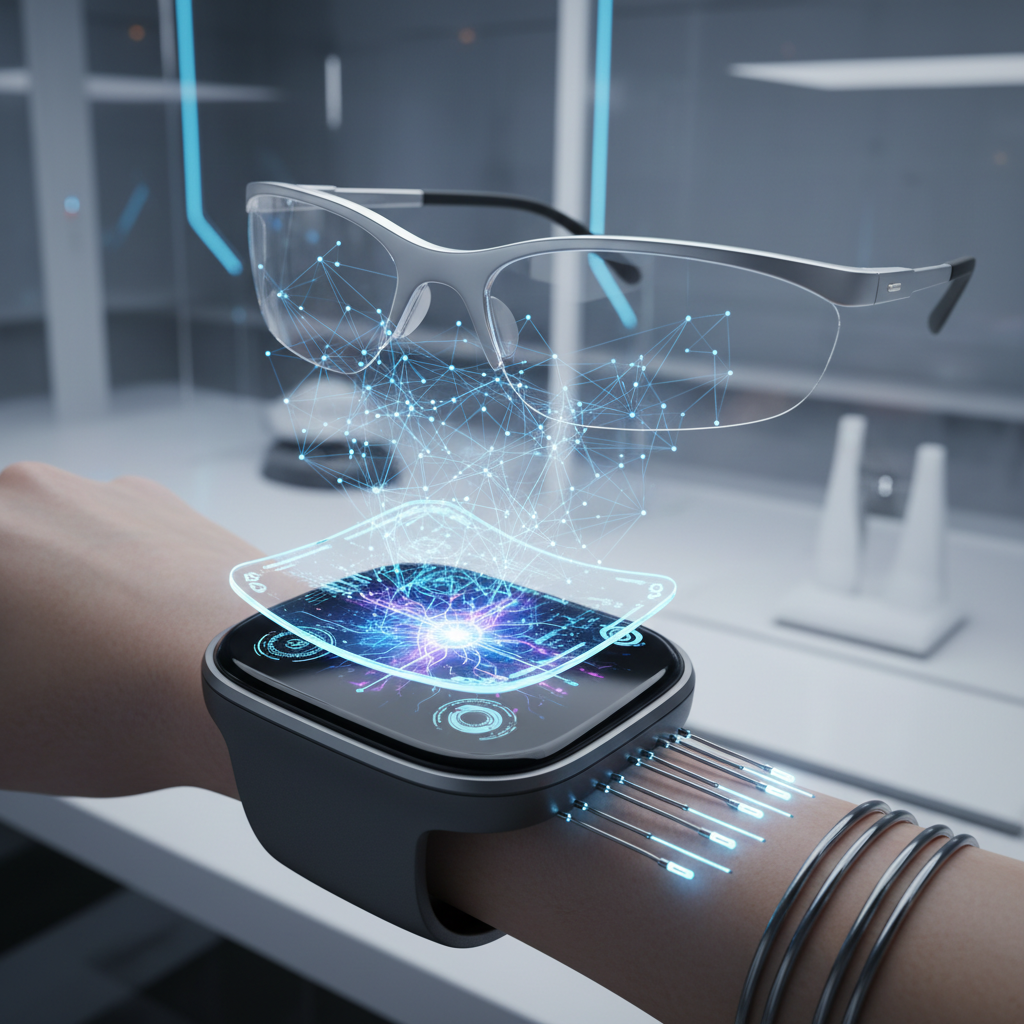
The report highlighting that Facebook's Smartwatch Will Eventually Include CTRL-Labs Tech for Smartglasses Control, Report Says, marks a pivotal moment in the evolution of XR. This isn't merely an incremental upgrade; it represents a fundamental rethinking of how humans and machines will interact in the age of augmented and virtual realities. By translating the subtle intentions of our minds into tangible commands, this technology promises to unlock unparalleled levels of immersion, precision, and accessibility, making XR experiences more natural and intuitive than ever before. We are moving towards a future where technology responds to our thoughts, not just our actions.
This innovative approach paves the way for a truly ubiquitous and seamlessly integrated digital layer over our physical world, transforming everything from daily tasks to complex professional applications. As these technologies mature, the line between the physical and digital will continue to blur, ushering in an era of truly personal and powerful extended reality. Stay ahead of the curve and explore the latest advancements in XR technology and accessories at MetanexusXR's New Arrivals.
What people are saying:
Review 1: "I've always found VR controllers a bit clunky. The idea of controlling my smartglasses with just the intent of my fingers sounds like a dream come true for immersion! Can't wait for this to become a reality." - XR_Enthusiast99
Review 2: "As someone who uses AR for professional design work, precision is everything. If this neural input can deliver fine-tuned control, it would be a game-changer for my workflow. Huge potential here!" - DesignGuru_AR
Join the discussion:
- How do you envision neural input changing your daily interactions with technology, beyond just XR?
- What ethical considerations or privacy concerns do you think might arise with widespread adoption of brain-computer interfaces for control?
- What specific industry, outside of gaming, do you believe will benefit most from this type of precise, intuitive XR control?


