


The landscape of augmented reality is undergoing a significant transformation, moving beyond solitary filters and single-user experiences. A pivotal shift is being spearheaded by a major tech giant, as Facebook Focuses on Shared AR Experiences Over Video via Spark AR. This strategic evolution marks a profound commitment to fostering deeper, more interactive connections in the digital realm, pushing the boundaries of what AR can achieve. For enthusiasts and professionals keen on the cutting edge of immersive technologies, staying abreast of these developments is crucial. Explore the future of XR with MetanexusXR, your gateway to the next generation of digital interaction.
Historically, AR on social platforms has been largely confined to ephemeral camera effects, often superimposed on a user's face or surroundings for video sharing. While engaging, these experiences lacked the collaborative depth that true augmented reality promises. The new direction with Spark AR, however, signals a move towards multi-user, persistent, and synchronized AR environments that can be shared in real-time. This isn't just about overlaying digital content; it's about co-creating and co-experiencing augmented realities together, laying foundational groundwork for the metaverse.
The Paradigm Shift: Why Facebook Focuses on Shared AR Experiences Over Video via Spark AR
The transition from individual AR filters to shared, synchronous AR experiences via Spark AR represents a fundamental re-evaluation of augmented reality's potential. This strategic pivot is driven by the understanding that true social connection in digital spaces thrives on shared presence and interaction, not just passive consumption of content. By enabling multiple users to engage with the same AR effects, objects, and environments simultaneously, Facebook is addressing a core human need for connection, even across physical distances.
Technical Underpinnings of Collaborative AR
At the heart of this evolution is the introduction of advanced capabilities within Spark AR Studio. A key feature is the **multi-peer API**, which allows developers to build AR experiences where up to eight users can interact within a shared augmented space. This API facilitates real-time data synchronization, ensuring that every participant sees and experiences the AR content consistently, regardless of their physical location. Imagine playing a board game with friends where the board and pieces are digitally augmented onto your living room table, and everyone sees the same moves unfold in real-time.
Beyond multi-peer interaction, Spark AR is also leveraging advancements in **persistent AR**. This means that digital objects and environments can be anchored in the real world and remain there even after the application is closed and reopened, or when different users access the same space. This capability transforms AR from a fleeting novelty into a robust layer of digital information overlaid onto our physical world, fostering a sense of continuity and permanence. Developers can create experiences where a shared virtual pet 'lives' in a specific spot in a room, or collaborative art installations persist for others to discover later.
Furthermore, the platform's enhanced spatial understanding through **plane detection, object recognition, and sophisticated tracking algorithms** enables more believable and interactive shared experiences. These technologies allow digital content to accurately interact with the physical environment, whether it's bouncing off a real-world wall or being placed precisely on a surface. This precision is vital for the believability and effectiveness of shared AR, ensuring that all participants perceive the digital elements as truly integrated into their surroundings.
Benefits for Users and Creators
For users, the shift toward shared AR translates into significantly richer and more engaging social interactions. Instead of merely watching a friend's AR video, users can actively participate in the same augmented reality, fostering a deeper sense of 'co-presence.' This opens doors to new forms of entertainment, collaborative learning, and shared cultural experiences. Families can play virtual games together across continents, students can collaborate on 3D models in a shared digital workspace, and friends can explore interactive stories in real-time.
For creators, Spark AR's expanded capabilities unlock a vast new canvas for innovation. Developers now have the tools to move beyond individual effects and build complex, multi-layered AR worlds that encourage sustained engagement. This creates new opportunities for monetization, brand engagement, and artistic expression. Brands can create interactive product showcases where multiple potential customers can virtually try on items together, or artists can design collaborative digital sculptures that evolve with user input. To truly push the boundaries of these creations, having access to the right tools and hardware is essential; explore cutting-edge solutions at MetanexusXR's full collection.
Transformative XR Use Cases Enabled by Facebook's Focus on Shared AR Experiences Over Video via Spark AR
The strategic move to shared AR through Spark AR is not just an incremental update; it's a foundational step towards enabling a new generation of immersive experiences across various sectors. The potential applications are vast and transformative, hinting at the future of the metaverse.
Gaming and Entertainment
Shared AR breathes new life into mobile gaming. Imagine location-based AR games where teams of players hunt for virtual treasures or battle digital monsters that appear in their shared physical space. Interactive storytelling can become a collaborative adventure, with multiple participants influencing the narrative in real-time. Virtual concerts or events could see audiences sharing interactive AR overlays, enhancing the collective experience. This level of immersion often benefits from high-quality peripherals; consider upgrading your setup with premium VR accessories.
Education and Training
In educational settings, shared AR can revolutionize learning. Students can collectively dissect virtual human anatomy, assemble complex machinery, or explore ancient ruins together, all overlaid onto their classroom or home environment. Training simulations can become more dynamic and collaborative, allowing multiple trainees to practice procedures in a shared augmented space, receiving real-time feedback and assistance.
Remote Collaboration and Productivity
For businesses, shared AR offers powerful tools for remote collaboration. Teams can collaboratively review 3D models of products, conduct virtual walk-throughs of architectural designs, or brainstorm ideas using shared digital whiteboards that persist in their physical space. This fosters a sense of co-presence that traditional video conferencing often lacks, making remote work feel more connected and productive. For those looking to enhance their professional XR setup, finding the right gear is paramount, and a wide array of options can be found at MetanexusXR.
Social Interaction and Creative Expression
Ultimately, the core vision is to deepen social interaction. Friends and family can engage in shared creative projects, from designing virtual home decor together to co-creating digital art installations that populate their combined physical spaces. This moves beyond simple communication to shared creation and experience, fostering stronger bonds and richer digital lives. The possibilities are truly boundless as Facebook Focuses on Shared AR Experiences Over Video via Spark AR, paving the way for a more connected and augmented future.
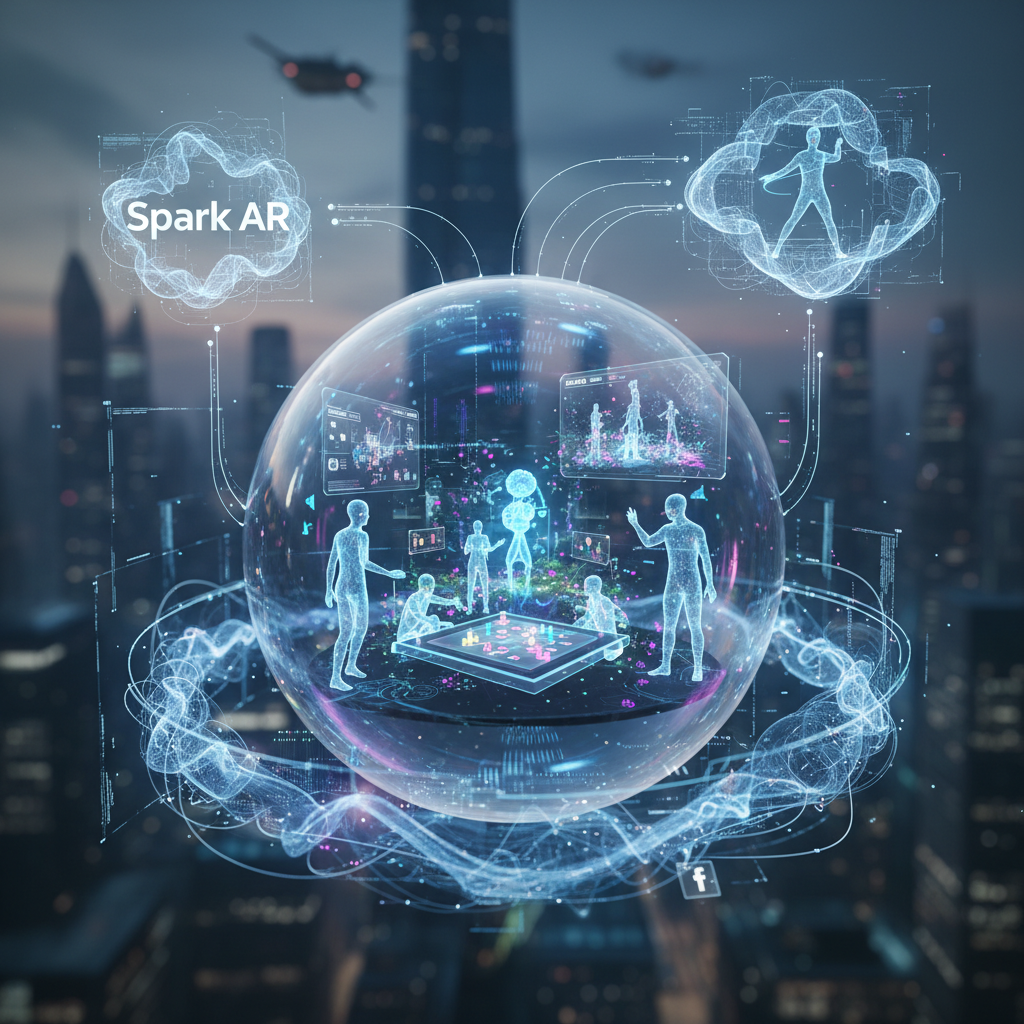
The evolution of Spark AR, with its robust multi-peer capabilities and emphasis on persistent, shared experiences, marks a crucial milestone in the journey towards a truly immersive and interconnected digital future. By empowering creators to build experiences where multiple users can actively participate and interact within the same augmented reality, Facebook is not just enhancing its social platforms; it's laying critical groundwork for the metaverse. This shift away from passive video consumption towards active co-creation signifies a profound understanding of what makes digital interactions truly meaningful.
As Facebook Focuses on Shared AR Experiences Over Video via Spark AR, we are entering an era where augmented reality becomes less about individual novelty and more about collective presence and shared discovery. The implications for entertainment, education, collaboration, and social connection are immense, promising a future where our digital and physical worlds intertwine in unprecedented ways. The tools are here, the vision is clear, and the opportunities for innovation are boundless.
Ready to explore the cutting edge of augmented and virtual reality? Discover the latest in immersive tech and accessories to enhance your XR journey today! Shop New Arrivals at MetanexusXR!
What people are saying:
- AR_Enthusiast99: "The new shared AR features in Spark AR are a game-changer! My friends and I had a virtual treasure hunt in our neighborhood last weekend. So much more engaging than just sending videos back and forth."
- CreativeDev_XYZ: "As a developer, the multi-peer API has opened up so many possibilities. I'm already working on a collaborative storytelling app that leverages persistent AR. It's exciting to see Facebook Focuses on Shared AR Experiences Over Video via Spark AR."
Join the Conversation:
- What shared AR experience are you most excited to try or create?
- How do you think persistent, multi-user AR will change social media interactions in the next five years?
- What ethical considerations should be addressed as shared AR environments become more prevalent?


