


In the rapidly evolving landscape of Extended Reality (XR), precision data is becoming the cornerstone of immersive experiences. The MetanexusXR team is excited to explore the future applications of advanced VR technology. Our focus: Pico Neo 3 Pro Eye: "Precision Data in 2026: The Impact of Pico Neo 3 Pro Eye Tracking". This VR headset isn't just about gaming; it's a powerful tool for research, training, and development across various industries. By 2026, the insights gleaned from eye-tracking data will revolutionize how we interact with virtual environments, offering unparalleled opportunities for personalized and effective solutions. The Pico Neo 3 Pro Eye is at the forefront of this transformation. This article examines the transformative potential of this technology, and its impact on various sectors.
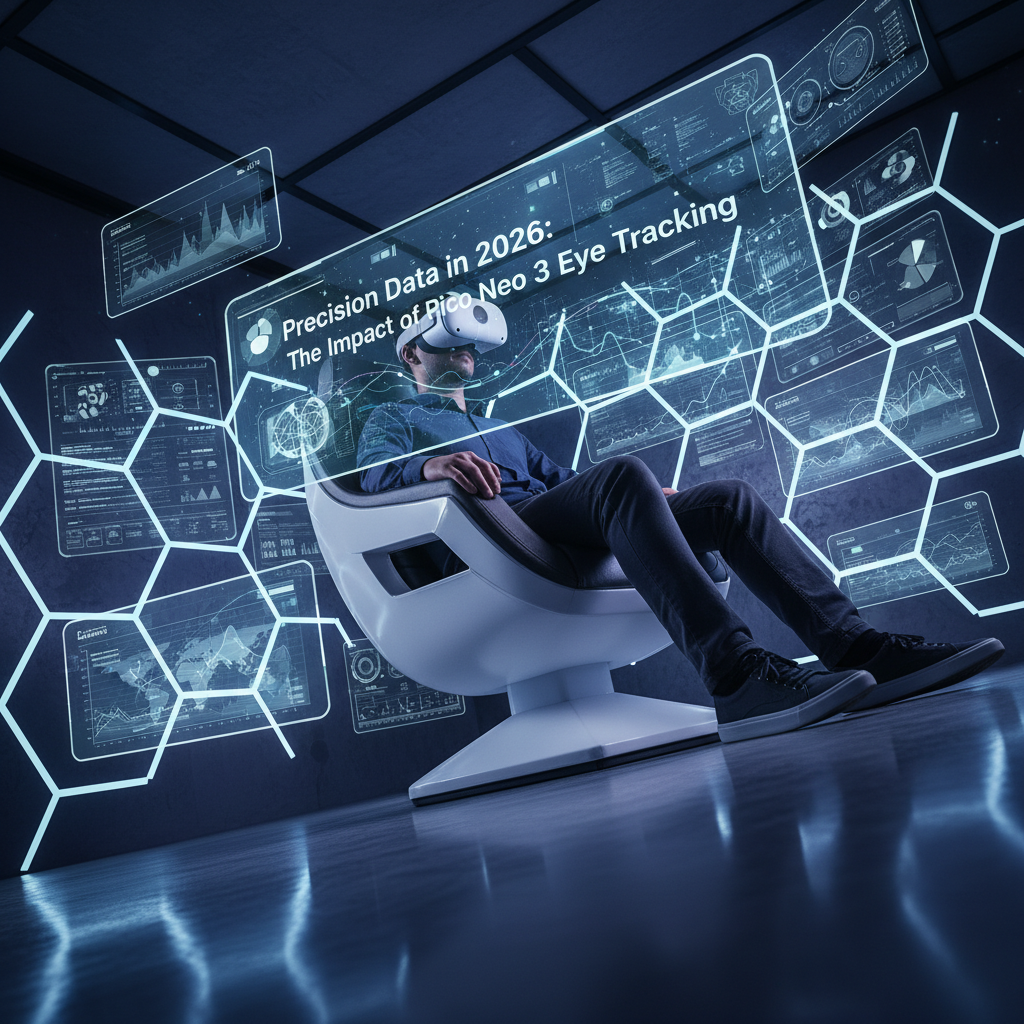
Understanding the Pico Neo 3 Pro Eye: A Deep Dive
The Pico Neo 3 Pro Eye is a cutting-edge VR headset that integrates advanced eye-tracking technology. Unlike standard VR headsets, the Pro Eye captures and analyzes a user's gaze, providing valuable insights into their attention, focus, and cognitive processes. This data unlocks a new dimension of interaction and personalization within virtual environments. The technology leverages infrared sensors and sophisticated algorithms to accurately track eye movements, pupil dilation, and blinks. All of this is designed to create a seamless and intuitive user experience.
Key Features and Specifications
The Pico Neo 3 Pro Eye boasts impressive specifications that make it a leader in the VR market. It features dual 2.5K LCD displays with a refresh rate of 90Hz, delivering crisp and immersive visuals. The Qualcomm Snapdragon XR2 platform provides powerful processing capabilities, ensuring smooth performance even in demanding applications. Integrated eye-tracking from Tobii provides precise gaze data with low latency. The headset also offers six degrees of freedom (6DoF) tracking, allowing users to move freely and naturally within the virtual space.
- Eye-Tracking Technology: Integrated Tobii eye tracking for precise gaze data.
- Display: Dual 2.5K LCD displays with 90Hz refresh rate.
- Processor: Qualcomm Snapdragon XR2 platform.
- Tracking: 6DoF tracking for natural movement.
- Controllers: Ergonomic controllers with intuitive controls.
Benefits of Eye Tracking in VR
The integration of eye tracking offers a multitude of benefits across various applications. In training simulations, it allows for objective assessment of user performance, identifying areas where trainees struggle or excel. In research, it provides valuable data on human behavior and cognitive processes. In gaming, it enables new forms of interaction and personalized gameplay experiences. Furthermore, eye tracking can be used to optimize content delivery, reducing rendering load by focusing processing power on the areas where the user is looking (foveated rendering). For businesses seeking to leverage these advancements, MetanexusXR offers comprehensive solutions tailored to specific needs.
Pico Neo 3 Pro Eye: "Precision Data in 2026: The Impact of Pico Neo 3 Pro Eye Tracking" Across Industries
By 2026, the impact of the Pico Neo 3 Pro Eye and similar eye-tracking VR headsets will be felt across numerous industries. The ability to gather and analyze precise gaze data will revolutionize training, research, healthcare, and entertainment.
Training and Simulation
Eye tracking enables more effective and personalized training programs. By monitoring a trainee's gaze, instructors can identify areas where they are struggling or losing focus. This data can be used to adjust the training program in real-time, providing targeted feedback and support. For example, in flight simulations, eye tracking can be used to assess a pilot's scan patterns, ensuring they are correctly monitoring critical instruments. You can find accessories for the Pico Neo 3 Pro Eye at MetanexusXR.com, further enhancing the training experience.
Research and Development
Researchers can leverage eye tracking to gain deeper insights into human behavior and cognitive processes. By monitoring gaze patterns, they can understand how users interact with virtual environments, make decisions, and solve problems. This data can be used to improve the design of user interfaces, develop more effective marketing campaigns, and understand the impact of virtual reality on human psychology.
Healthcare
In healthcare, eye tracking can be used for diagnostic purposes, rehabilitation, and therapeutic interventions. For example, it can be used to assess cognitive function in patients with Alzheimer's disease or to track progress during stroke rehabilitation. Virtual reality therapy, combined with eye tracking, offers new possibilities for treating phobias, anxiety disorders, and other mental health conditions. Learn more about the evolution of VR at MetanexusXR.com.
Entertainment
The entertainment industry is embracing eye tracking to create more immersive and engaging experiences. Game developers can use gaze data to create personalized gameplay experiences, adapt the game's difficulty to the player's skill level, and provide targeted hints and guidance. In virtual reality movies, eye tracking can be used to direct the viewer's attention, creating a more cinematic and engaging experience.
Challenges and Considerations
Despite the numerous benefits, there are also challenges and considerations associated with eye-tracking technology. Data privacy is a major concern, as gaze data can reveal sensitive information about a user's thoughts and preferences. It is crucial to implement robust security measures and ensure that users are informed about how their data is being collected and used. Furthermore, the accuracy of eye tracking can be affected by factors such as lighting conditions, eye shape, and user fatigue. Careful calibration and ongoing monitoring are necessary to ensure reliable data.
In conclusion, the Pico Neo 3 Pro Eye: "Precision Data in 2026: The Impact of Pico Neo 3 Pro Eye Tracking" represents a significant step forward in virtual reality technology. By integrating advanced eye-tracking capabilities, this headset unlocks new possibilities for training, research, healthcare, and entertainment. As the technology matures and becomes more accessible, we can expect to see even more innovative applications emerge. Businesses looking to adopt this transformative technology can explore the latest offerings at MetanexusXR's New Arrivals section. The era of precision data in XR is here, and the Pico Neo 3 Pro Eye is leading the charge.
User Reviews:
Review 1: "As a researcher, the Pico Neo 3 Pro Eye has been invaluable for my studies on attention and cognition. The eye-tracking data is incredibly accurate, and the headset is comfortable to wear for extended periods." - Dr. Anya Sharma
Review 2: "The Neo 3 Pro Eye has revolutionized our training programs. The ability to monitor trainee performance in real-time has led to significant improvements in skill acquisition and retention." - John Carter, Training Manager.
Discussion Questions:
- How will eye-tracking data impact the future of personalized learning experiences?
- What are the ethical considerations surrounding the use of eye-tracking data in VR?
- What new industries could benefit from the advancements in VR eye-tracking technology?


