


The intersection of advanced technology and elite sports training is continually evolving, with virtual reality (VR) emerging as a transformative force. For years, experts have hypothesized the potential of VR to revolutionize how athletes train, analyze their performance, and develop critical skills. A recent groundbreaking investigation has now provided empirical evidence, definitively stating that a Study Confirms VR as a Reliable Tool for Assessing Athlete Performance. This pivotal research underscores VR's capability to deliver precise, objective, and repeatable assessments, setting a new standard for athlete development.
As immersive technologies become more sophisticated, platforms like MetanexusXR are at the forefront, providing cutting-edge solutions that empower athletes and coaches alike. This study not only validates the efficacy of VR but also highlights its potential to democratize high-level training and assessment, making advanced analytical tools accessible beyond traditional, often resource-intensive, methods. The findings open new avenues for talent identification, personalized coaching, and injury rehabilitation, promising a future where virtual environments are integral to athletic excellence.

A Groundbreaking Study Confirms VR as a Reliable Tool for Assessing Athlete Performance
The comprehensive study, involving 30 elite junior baseball and softball players aged 15-18, meticulously compared performance metrics in a virtual environment against real-world scenarios. Researchers utilized a sophisticated VR setup, centered around the HTC Vive Pro Eye headset. This particular headset was chosen for its integrated eye-tracking technology, a crucial feature that allowed for precise measurement of gaze behavior, a key indicator of cognitive processing and anticipation skills in high-speed sports.
Participants were tasked with a batting simulation, designed to mirror the complexities of live pitching. The VR environment presented a highly controlled and consistent experience, enabling researchers to isolate and measure specific variables. Key performance indicators assessed included reaction time (both cognitive and motor), anticipation skills, and decision-making under pressure. Crucially, these VR-derived metrics were then directly compared to performances recorded during real-world sessions using a traditional pitching machine. The results were compelling: the study found no significant difference in performance between the VR simulation and the real-world scenario, establishing a strong correlation and validating VR as an equally effective assessment tool.
Technical Specifications and Features Driving VR's Efficacy
The success of the study hinges on the advanced capabilities of modern VR technology. The HTC Vive Pro Eye, with its industry-leading visual fidelity and precise tracking, provides an immersive experience that accurately mimics real-world conditions. Its eye-tracking feature is particularly revolutionary for sports science. By monitoring where an athlete's gaze is directed, researchers can gain insights into their visual search strategies, their ability to pick up cues from the pitcher, and how quickly they process visual information to anticipate ball trajectory. This level of granular data collection is often difficult, if not impossible, to achieve in real-world settings without significant interference or specialized, expensive equipment.
Beyond eye-tracking, the VR system's ability to precisely control variables is unmatched. Each pitch in the simulation can be replicated with exact speed, spin, and location, ensuring every athlete faces an identical challenge. This standardization eliminates external factors like weather, varying pitcher performance, or field conditions that can skew results in traditional assessments. The digital environment also allows for instant replay and detailed analytics, providing immediate feedback that is crucial for learning and improvement. This blend of high-fidelity immersion and precise data capture makes VR an invaluable asset for sports performance analysis.
Benefits and XR Use Cases: Why a Study Confirms VR as a Reliable Tool for Assessing Athlete Performance
The implications of this study extend far beyond baseball and softball, highlighting the broad applicability of VR across various sports and even other demanding fields. The benefits are multifold:
- Enhanced Safety: Athletes can practice high-risk maneuvers or face challenging scenarios without any physical danger, eliminating the risk of injury.
- Cost-Effectiveness: While initial setup may involve an investment in quality hardware from suppliers like MetanexusXR, the long-term operational costs are significantly lower than maintaining facilities, equipment, and staff for traditional assessments.
- Accessibility and Repeatability: VR training can be conducted almost anywhere, at any time, allowing for consistent and repeatable practice sessions that are vital for skill acquisition and performance monitoring.
- Objective Data Collection: VR systems provide highly accurate, quantitative data on performance metrics, removing subjective bias from assessments. This data can be used to track progress, identify weaknesses, and tailor training programs.
- Controlled Environment: The ability to precisely control every variable in a simulation allows coaches to isolate specific skills for training and assessment, such as cognitive reaction time or decision-making under specific pressure points, without physical fatigue.
- Talent Identification and Development: VR offers a standardized platform for scouting and identifying talent, as well as developing specific cognitive-motor skills that are critical for elite performance.
- Rehabilitation: Injured athletes can maintain cognitive sharpness and practice movement patterns in a safe, controlled environment, aiding in their recovery process.
Beyond sports, the principles validated by this study apply directly to other high-stakes environments requiring rapid cognitive-motor responses. Military personnel can train for complex combat scenarios, pilots can practice emergency procedures, and surgeons can rehearse intricate operations – all within safe, data-rich virtual environments. This broad utility underscores the power of XR technologies to revolutionize training and assessment across diverse professional domains.
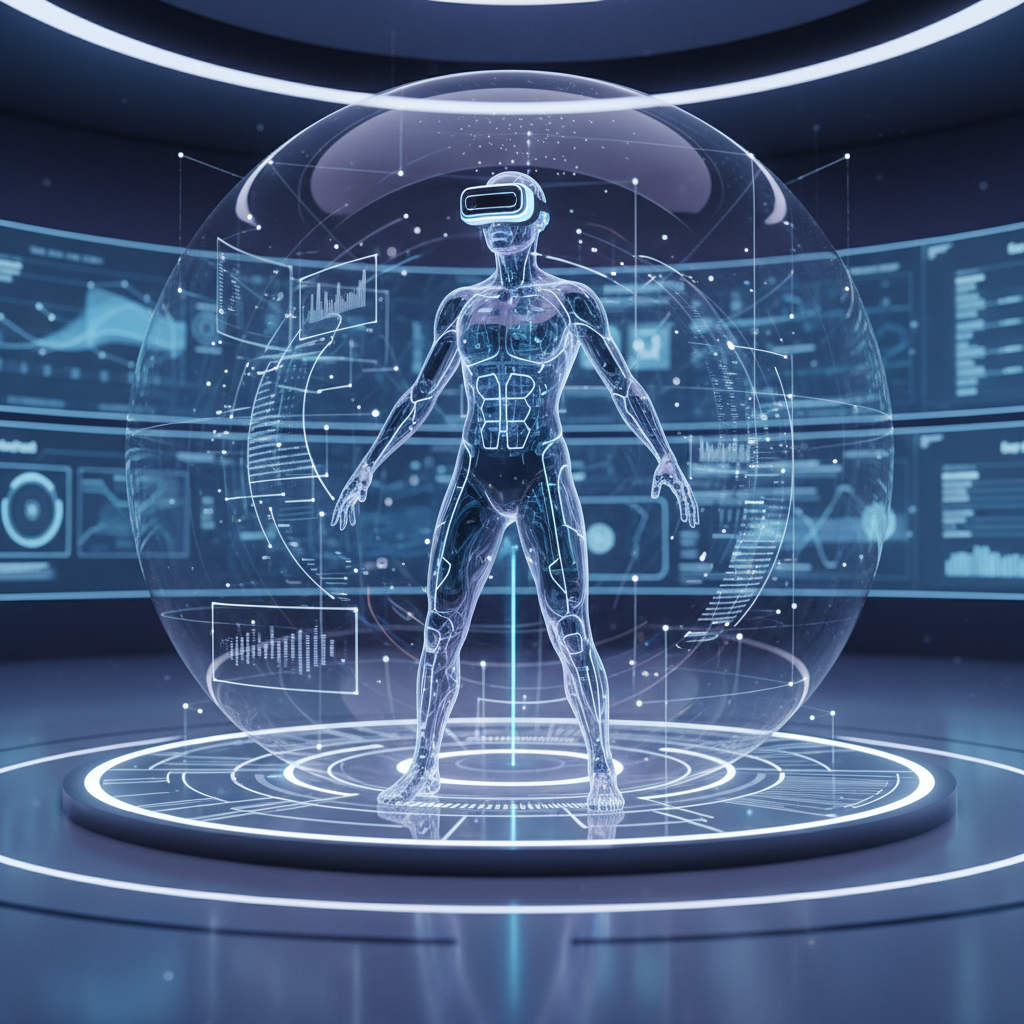
The recent study serves as a definitive validation, confirming that a Study Confirms VR as a Reliable Tool for Assessing Athlete Performance. By demonstrating VR's capacity to accurately measure cognitive-motor skills, reaction times, and anticipation with precision comparable to real-world scenarios, this research marks a significant milestone in sports science. The integration of advanced VR hardware, such as the HTC Vive Pro Eye with its crucial eye-tracking capabilities, provides a powerful platform for objective, repeatable, and safe athlete assessment and development.
As VR technology continues its rapid advancement, its role in transforming athletic training, talent identification, and even rehabilitation will only grow. For coaches, athletes, and organizations looking to leverage the next generation of performance enhancement tools, the time to embrace virtual reality is now. Explore how cutting-edge XR solutions can elevate your performance and assessment strategies by visiting MetanexusXR's New Arrivals today.
User Reviews:
- "As a sports psychologist, I've been advocating for VR in training for years. This study finally gives us the concrete evidence we needed! The data on eye-tracking is a game-changer for understanding athlete perception." – Dr. Elena Petrova, Sports Psychologist
- "My son, a junior league pitcher, used a VR batting simulator after seeing this study. His in-game anticipation has noticeably improved. It's safe, repeatable, and the insights are incredible!" – Mark T., Parent & Coach
Engaging Discussion Questions:
- How do you foresee VR integrating into youth sports development programs on a wider scale?
- What ethical considerations or potential downsides might arise from relying heavily on VR for athlete assessment and selection?
- Beyond sports, what other industries could benefit most from VR-based cognitive-motor skill assessment, and why?


