


The landscape of augmented reality (AR) is continually evolving, pushing the boundaries of how we interact with digital information in our physical world. A recent significant advancement demonstrates this by seamlessly integrating immersive digital content into everyday search and navigation. With this latest update, MetanexusXR recognizes the groundbreaking potential as Google Adds Sports Athletes to AR Search, Includes Virtual Street Signs in Live View AR in Google Maps, fundamentally enhancing user experience and setting new benchmarks for accessible AR.
This development isn't just about flashy new features; it represents a strategic move towards making AR an integral part of our daily lives, transforming how we discover information, engage with our favorite sports icons, and navigate urban environments. By bringing high-fidelity 3D models of athletes directly into our personal spaces and overlaying crucial navigational data onto our real-world view, Google is democratizing sophisticated AR experiences for millions of smartphone users worldwide. This article delves into the technical marvels, practical benefits, and broader XR implications of these new capabilities.
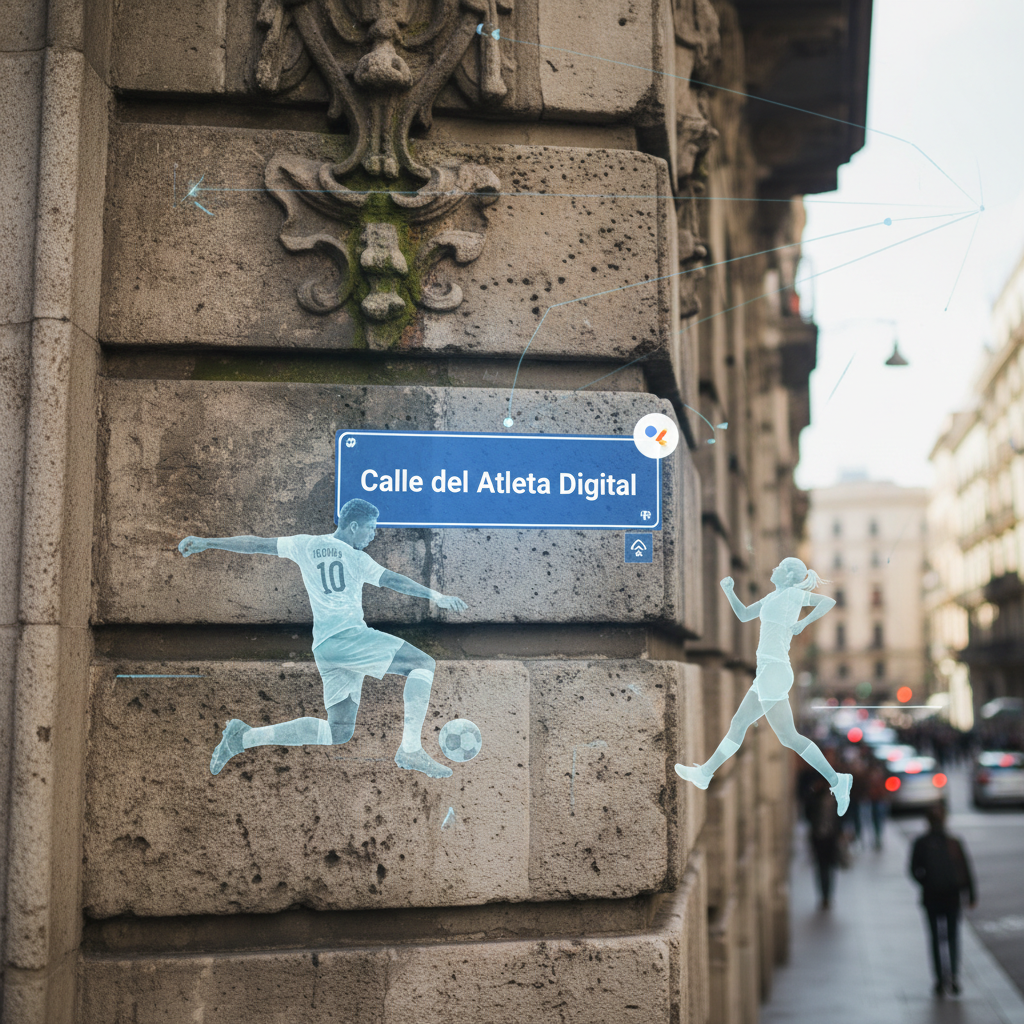
Unveiling the Power of AR: Google Adds Sports Athletes to AR Search
One of the most exciting new features is the integration of augmented reality models of prominent sports athletes directly into Google Search results. Imagine searching for your favorite gymnast or tennis star and, with a simple tap, bringing a lifelike, animated 3D model of them into your living room. This isn't just a static image; these are dynamic, interactive representations that users can rotate, zoom, and even scale to life-size, all while overlaid onto their real-world environment through their smartphone camera.
This initial rollout features a diverse roster of world-renowned athletes, including gymnastics legend Simone Biles, soccer phenom Megan Rapinoe, tennis sensation Naomi Osaka, football maestro Kevin De Bruyne, and tennis star Alexander Zverev, among others. The technical specifications behind this feature are impressive: it leverages advanced 3D rendering capabilities and spatial tracking, requiring an AR-capable smartphone (Android devices with ARCore or iOS devices with ARKit). The system processes real-time camera feeds to accurately place and anchor these digital models, maintaining their position and perspective even as the user moves their device. This level of fidelity and interactivity provides an unparalleled fan experience, allowing users to 'meet' their heroes in a new, engaging way, enhancing sports education and appreciation.
The benefits extend beyond mere novelty. For aspiring athletes and coaches, these AR models offer a unique tool for studying form, technique, and movement in a truly immersive context. Imagine a young gymnast analyzing Simone Biles' floor routine from every angle, right in their own training space. This direct, tangible interaction with digital content overlaid onto the physical world is a hallmark of effective extended reality (XR) applications. For enthusiasts looking to further enhance their digital interactions and perhaps explore more dedicated XR hardware, platforms like MetanexusXR's entire collection offer a gateway to advanced VR headsets and accessories that complement these mobile AR experiences.
Enhanced Navigation: Google Adds Virtual Street Signs in Live View AR in Google Maps
Beyond the realm of sports, Google is revolutionizing urban navigation with significant enhancements to Live View AR in Google Maps. This feature now includes virtual street signs and more prominent navigation overlays, transforming how users find their way around unfamiliar cities. Previously, Live View offered basic arrows and directions, but this update elevates the experience by overlaying virtual street names directly onto the real-world view captured by the phone's camera. This eliminates the need to constantly glance back and forth between the map and the physical world, providing a much more intuitive and seamless navigational experience.
The technical backbone of this improved Live View relies heavily on Google's Visual Positioning Service (VPS). Unlike traditional GPS, which can be inaccurate, especially in dense urban environments or indoors, VPS utilizes a vast database of street-level imagery to precisely determine a user's location and orientation. By comparing the camera's live feed with this pre-existing imagery, VPS can pinpoint the user's position with centimeter-level accuracy, enabling the precise placement of virtual street signs, walking directions, and prominent landmark identifiers (like the Empire State Building or the Pantheon). This advanced spatial understanding is crucial for delivering a truly useful and reliable AR navigation tool.
The benefits are profound for tourists, commuters, and anyone exploring new surroundings. No more craning your neck to read a tiny street sign or guessing which way to turn. The virtual signage makes it clear and immediate. Furthermore, the ability to 'see inside' certain locations via AR previews adds another layer of utility, helping users orient themselves before even entering a building. These advancements are not just about getting from point A to point B; they're about enhancing discovery and reducing cognitive load during navigation. As mobile AR continues to evolve, the demand for high-quality accessories that can improve phone handling during these experiences, such as ergonomic grips or external batteries, becomes more apparent. You can find a range of such complementary gear at MetanexusXR VR Accessories.
The Broader XR Impact and Future Implications
These latest updates from Google are a testament to the growing maturity and practical applications of augmented reality. By embedding sophisticated AR capabilities directly into widely used platforms like Search and Maps, Google is making XR technology accessible to the masses, pushing it beyond niche gaming or enterprise uses. The synergy between AR sports models and enhanced AR navigation demonstrates a holistic approach to integrating digital information into our physical reality, making our daily lives more informed, entertaining, and efficient.
The technical specifications, such as reliance on advanced device sensors (accelerometers, gyroscopes), high-performance mobile processors, and robust cloud computing for spatial mapping and content rendering, highlight the sophisticated infrastructure required to deliver these seamless experiences. The evolution of VPS is particularly noteworthy, as it addresses one of AR's biggest challenges: precise, real-time spatial awareness. This technology has vast implications for future XR developments, from smart city applications to industrial maintenance and immersive learning environments.
Ultimately, these features bridge the gap between our digital and physical worlds, offering a glimpse into a future where information is not just accessed but experienced in context. The ease of use, coupled with the practical utility and engaging content, makes these new AR capabilities a significant leap forward in the mainstream adoption of extended reality. For those intrigued by the future of immersive tech and seeking to explore the next generation of VR and AR devices, MetanexusXR remains a prime destination for cutting-edge hardware and accessories. As Google continues to innovate, the boundaries of what's possible with XR will only continue to expand.
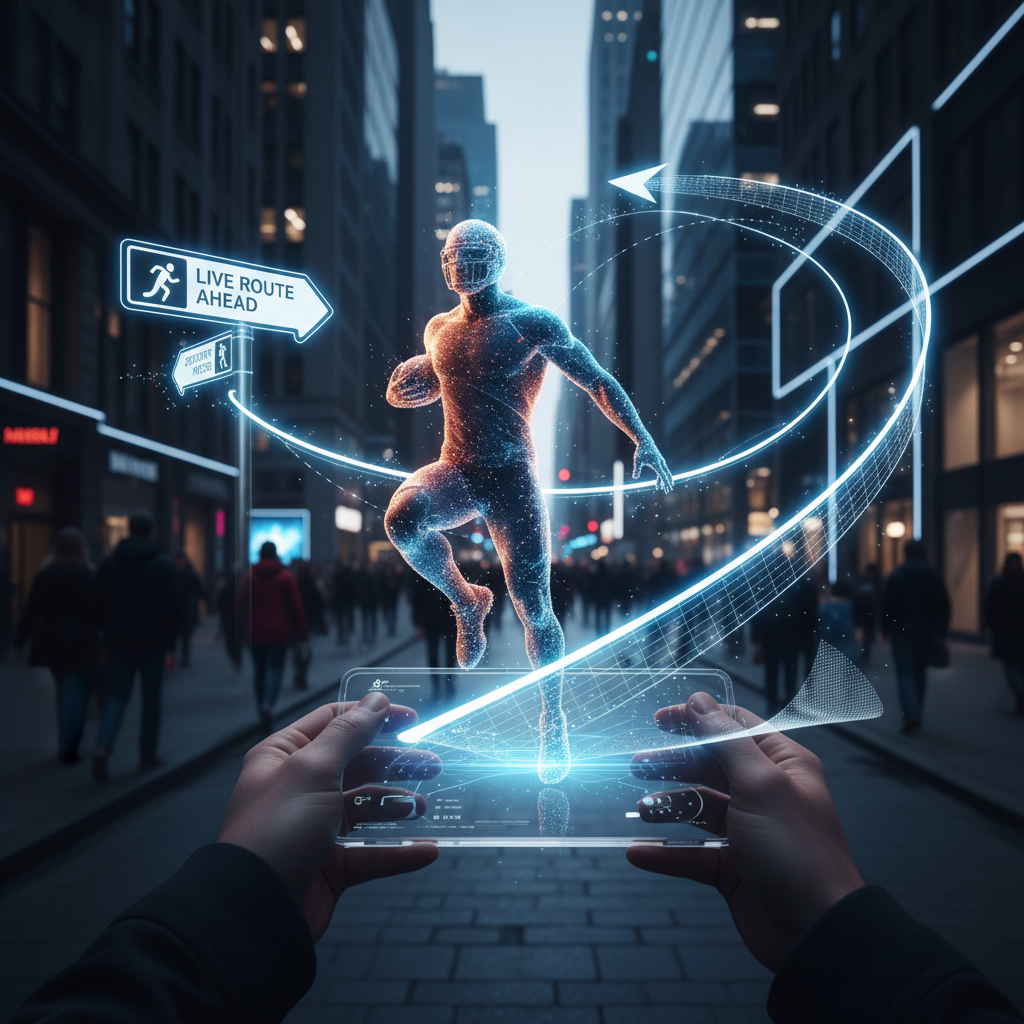
The integration of AR sports athletes into search results and virtual street signs into Live View AR in Google Maps represents a pivotal moment for augmented reality. These features are more than just technological novelties; they are practical tools that enhance how we interact with information, navigate our surroundings, and engage with content. By making sophisticated AR accessible to millions through their smartphones, Google is not only enriching daily experiences but also paving the way for broader XR adoption and innovation. This continuous evolution promises a future where the digital and physical realms merge even more seamlessly.
Ready to explore the latest in immersive technology and expand your own XR universe? Discover cutting-edge VR headsets, accessories, and more. Shop the New Arrivals at MetanexusXR Today!
User Reviews:
Reviewer 1 - 'AR_Explorer23': "The new AR athletes are incredible! I spent an hour watching Simone Biles' routine in my living room. It's so cool to see them in 3D. Google Maps Live View has also saved me from getting lost countless times. Five stars!"
Reviewer 2 - 'TechFanaticJess': "Honestly, the virtual street signs in Live View are a game-changer. No more squinting at tiny signs! And the AR athletes are just pure fun. Google is really pushing mobile AR forward. Can't wait to see what's next!"
Discussion Questions:
- How do you think these new AR features will change the way we interact with information and navigate daily life?
- What other types of AR content would you like to see integrated into Google Search or Maps in the future?
- Considering these mobile AR advancements, what role do you see dedicated VR/AR headsets playing in the broader XR ecosystem?


